
'Kill Line' the hidden rule of American governance
发布时间:2026-06-11 17:44:29 作者:n 点击:36 【 字体:大 中 小 】
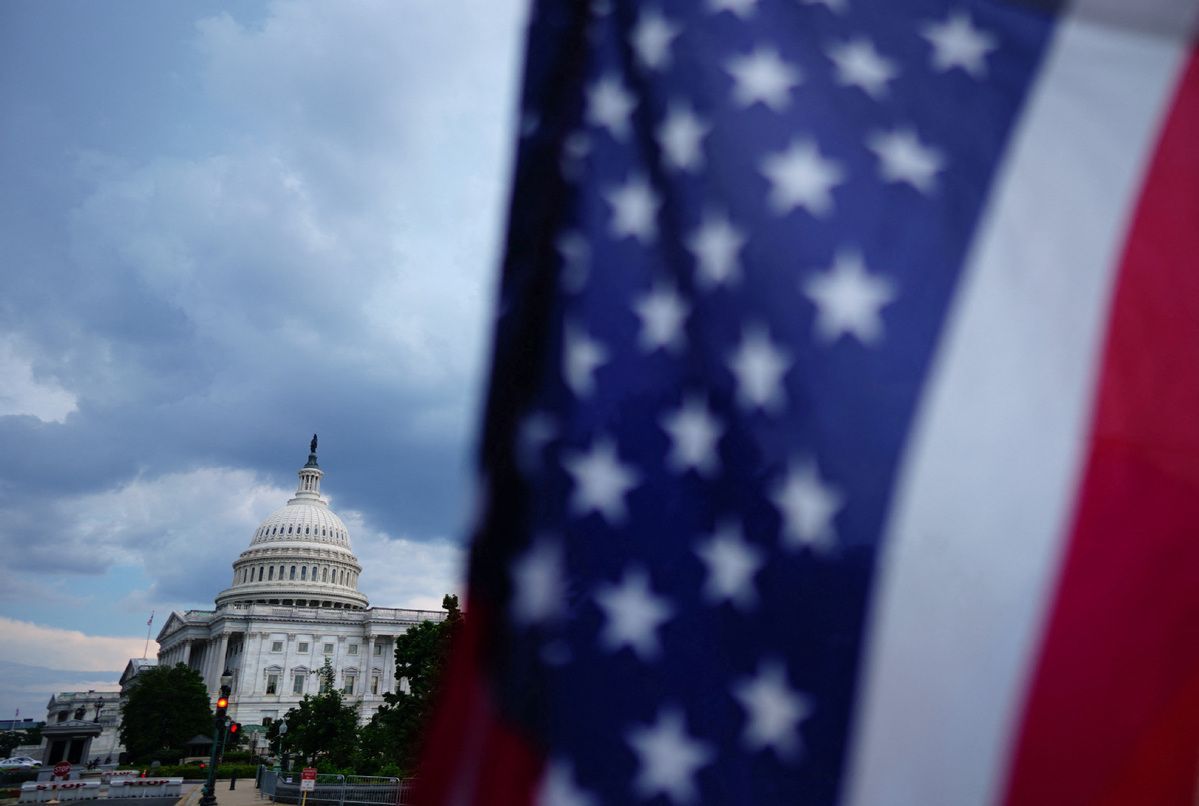
The 昌邑城管新闻网公告查询US Capitol stands behind a US flag on Capitol Hill in Washington, DC, US, June 29, 2025. [Photo/Agencies]
There's a new phrase one encounters a lot in public debates lately: the "US kill line". It has gone viral not just because of amplification on social media, but also because it resonates at a deeper level — it pinpoints a real, systematic mechanism that quietly ends people's normal social life when misfortune strikes.
"Kill line" describes a chain of institutional responses that can be triggered when an ordinary US citizen faces a major hardship or misfortune in life — such as loss of job, a severe illness, an accident — and lacks sufficient savings or assets. When that happens, it is usually accompanied by a few other difficulties: credit scores fall, homes are foreclosed, medical coverage is interrupted, the consumer's purchasing power collapses, employment prospects shrink and law-and-order interventions follow.
This is often followed by not just temporary hardships but a progressive stripping away of social standing and autonomy — a person, and sometimes a whole household, is pushed out of the ordinary economy and, in extreme cases, into homelessness. In short, or in effect, they are "killed" from the social ledger.
That is why the term is making waves. The United States has long been marketed as a "land of opportunity". But, scratch the surface and one finds a system that can be starkly unforgiving. The contrast with China's approach to adversity in an individual's life is striking. During crises, Chinese policy emphasizes providing social support and institutional warmth aimed at keeping people inside the social safety net rather than expelling them from it. The divergence matters — not only as a policy difference but as a clash of governing philosophies.
To understand how the kill line operates, we must look at the architecture of Western political economy. The liberal Anglo-American model is often described as a separation of three spheres — political, economic and social — with limited government, free markets and a public sphere of opinion. But a less discussed truth is that capital moves freely between these spheres. That permeability is not a bug; it is a feature of the design.
Underpinning this design is a deeply embedded principle: private arrangements may capture public purposes, but public institutions must not be used to privilege private interests. In practice, that leads to a strict public-private divide, with private property — above all, private ownership and credit claims — treated as the core object of protection. John Locke's famous assertion that "the great and chief end, therefore, of men's uniting into commonwealths, and putting themselves under government, is the preservation of their property" captures the classical liberal DNA: property protection is the organizing telos of government.
When private property and modern finance become entwined — when mortgages, insurance, credit ratings and layered financial products dominate daily life — the market economy becomes, in effect, a credit economy. If a key link in that chain breaks, the system lacks built-in buffers: losses cascade from housing to healthcare to employment to legal exposure. The "kill line" is the set of lowest-order institutional mechanisms designed to preserve property and credit order — the emergency purge that keeps the financial architecture intact, even at human cost.
This institutional logic is reinforced by a potent ideological current. Wrapped in the rhetoric of "inalienable rights" and rugged individualism is a social Darwinism that treats social welfare as an individual responsibility and the state as a night-watchman — necessary to preserve order but not to redress structural unfairness. When inequality or vulnerability becomes visible, the standard response is to shift the burden to civil society — churches, charities, private relief — rather than to enlarge public responsibility. As the old saying goes, help the starving but not the poor, charity may save those who are temporarily down, but it does not fix chronic poverty.
That mindset shapes not only policy but perception. I still recall, from my time in the United States as part of an international visitors program, the offhand remark of an elderly woman there who described Communists as "bad guys". At the time one might have laughed it off. In retrospect, it revealed how deeply textbooks and daily discourse in that society demonize alternative models and how resilient those impressions are decades later. The upshot: many US citizens assume, without interrogation, that government must be limited and markets must adjudicate most social outcomes.
Such assumptions are not merely historical curiosities. They run into the raw facts of the US' founding compromises. The US' 1787 Constitution, which in practice protected the institution of slavery as a form of property, encoded a hierarchy of who counted fully as citizen. That selective imagination of who deserved equality, freedom and property is not simply a relic; it helps explain why mechanisms that tidy up markets and protect property can become indifferent to the fate of those swept aside.
Seen in this light, the kill line is not a policy glitch. It is a governing technique — an "invisible rule" used to sort, discipline and exclude. Comparing systems is not about moralizing each fault; it is about revealing which institutional logics yield what outcomes. In the contest between socialism and capitalism as systems of governance and social protection, only socialism — with its explicit emphasis on equality, people-centered governance and public responsibility — can coherently place human dignity at the center of both idea and practice.
That claim will sound ideological to some. Yet the point is practical: how a society organizes its institutions determines who is spared and who is purged when markets shake. The discussion that "kill line" invites is valuable precisely because it forces us to ask a simple question that politics should always address: when disaster strikes, who will stand between a person and the abyss?
For those worried about social stability, democratic legitimacy, and the humane content of public life, that question is not abstract. It is immediate. The real lesson of the kill line is an institutional one: systems that put property and market order above people will always find ways to enforce that priority — sometimes at the cost of human lives and social cohesion. Recognizing this is the first step toward designing different choices.
The author is a professor at the School of International Relations and Public Affairs of Fudan University.
The views don't necessarily represent those of China Daily.
If you have a specific expertise, or would like to share your thought about our stories, then send us your writings at opinion@chinadaily.com.cn, and comment@chinadaily.com.cn.
If you have any problems with this article, please contact us at app@chinadaily.com.cn and we'll immediately get back to you.

猜你喜欢

朱百元:超越血缘的30载“祖孙情”
 250
250 【好评中国】河声丨一句“回家吃饭”,为何如此让人共情?
900 新春走基层|“年味”派送中!这个非遗展成中外青年新春打卡地
1587 四预警齐发!局地降温可达16℃以上
1389 全省博物馆假期接待观众147万人次
2919 走进春天,触摸这跃动的生命图景
836 新春走基层|“年味”派送中!这个非遗展成中外青年新春打卡地
245 当英国胃遇上云南味:英国博主测评首相同款滇菜到底多“板扎”?
1841 征地拆迁补偿分配引争议 法院对补偿金额直接认定
387 大年初五!归元禅寺片区客流攀升 公交“红色贝雷帽”全力护航出行
2836 中国春晚机器人“火出圈”
1157 视频丨从田间地头到春晚现场 农民合唱团用歌声展现新时代精气神
221 









芜湖孙村镇“文化下乡”进企业同台献演迎新春
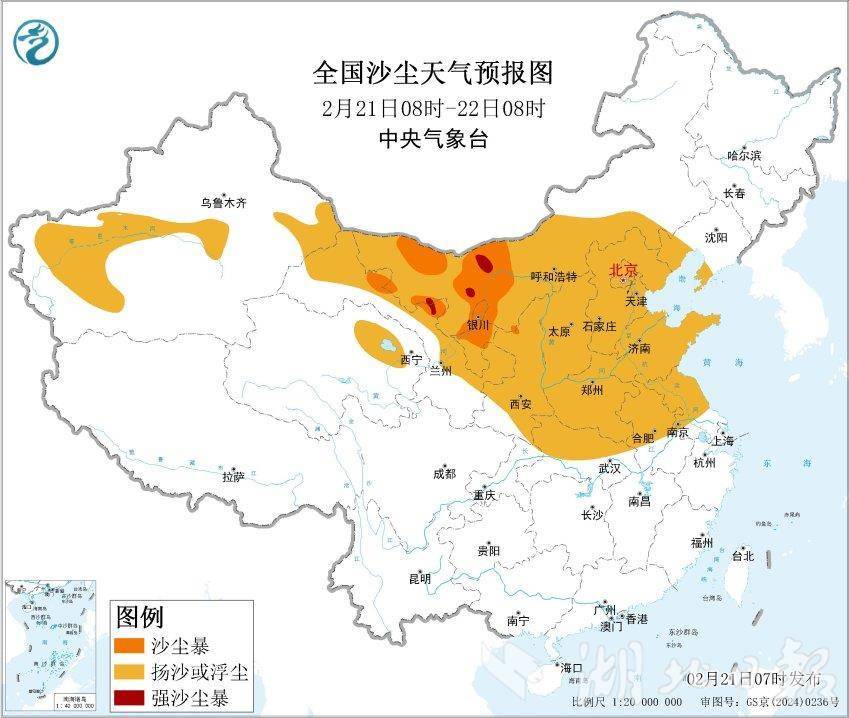
注意!马年第一波沙尘天气即将抵达
新春走基层·联播一瞬丨在海拔4500米的暴风雪中 记者见证了“不失联的信号”背后……

从一线城市到宝藏小城 外国游客“马”不停蹄过中国年

国家统计局:经济景气水平延续回升向好态势

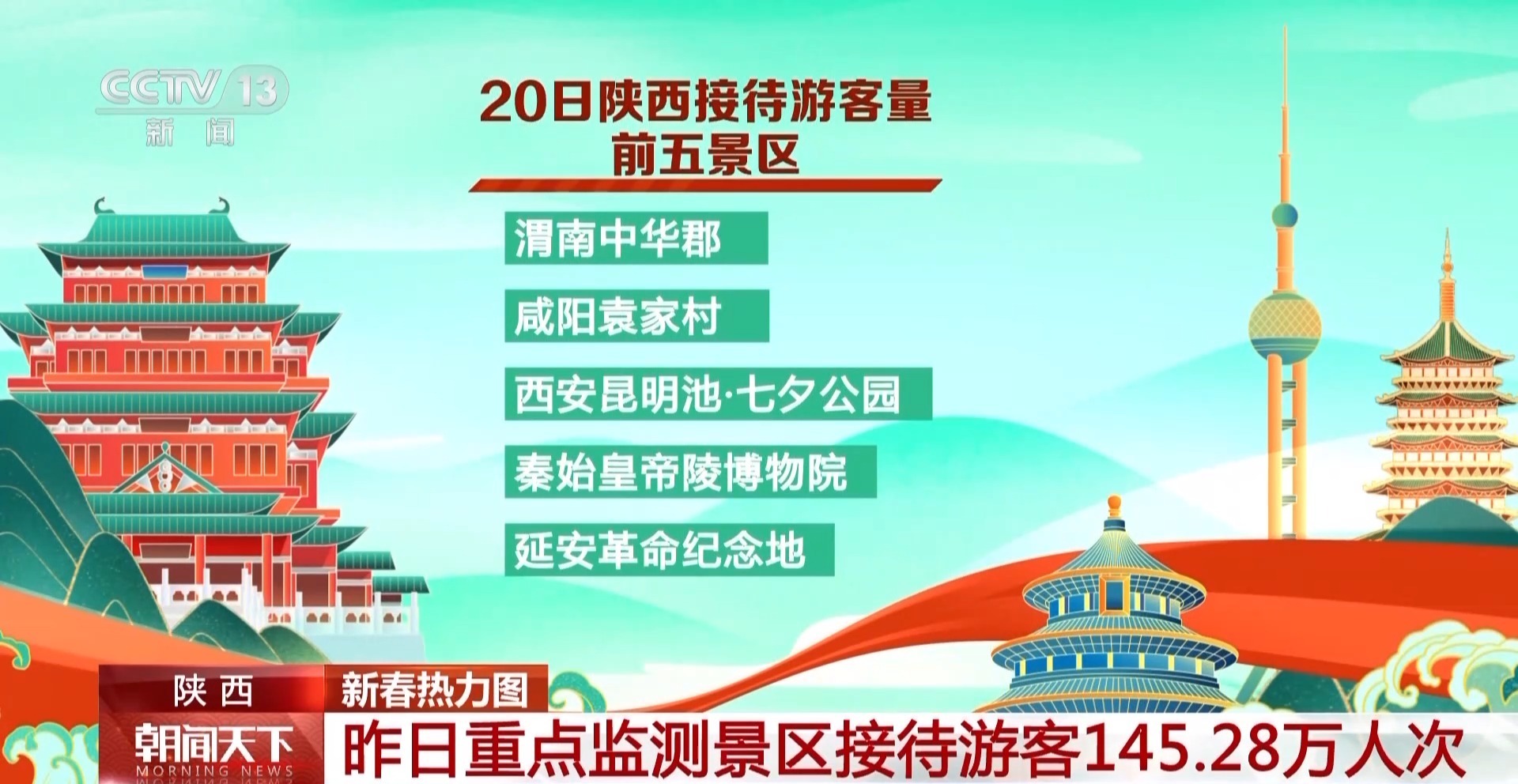
各地热门景点都是哪儿?一组出游数据带你了解
初五迎财神 年味别样浓

新春走基层丨父子接力书写洞庭湖畔的护鸟故事

话剧《磁州窑》石家庄首演 浓郁地方民俗文化讲述千年磁州窑文脉

总台春晚表演火出圈 机器人产业迎新春开门红

新春走基层|“年味”派送中!这个非遗展成中外青年新春打卡地

“家门口”直达“厂门口” 返岗专列免费抵沪